Ten Minutes Under the Bonnet: The Monthly Routine That Stops Most Breakdowns
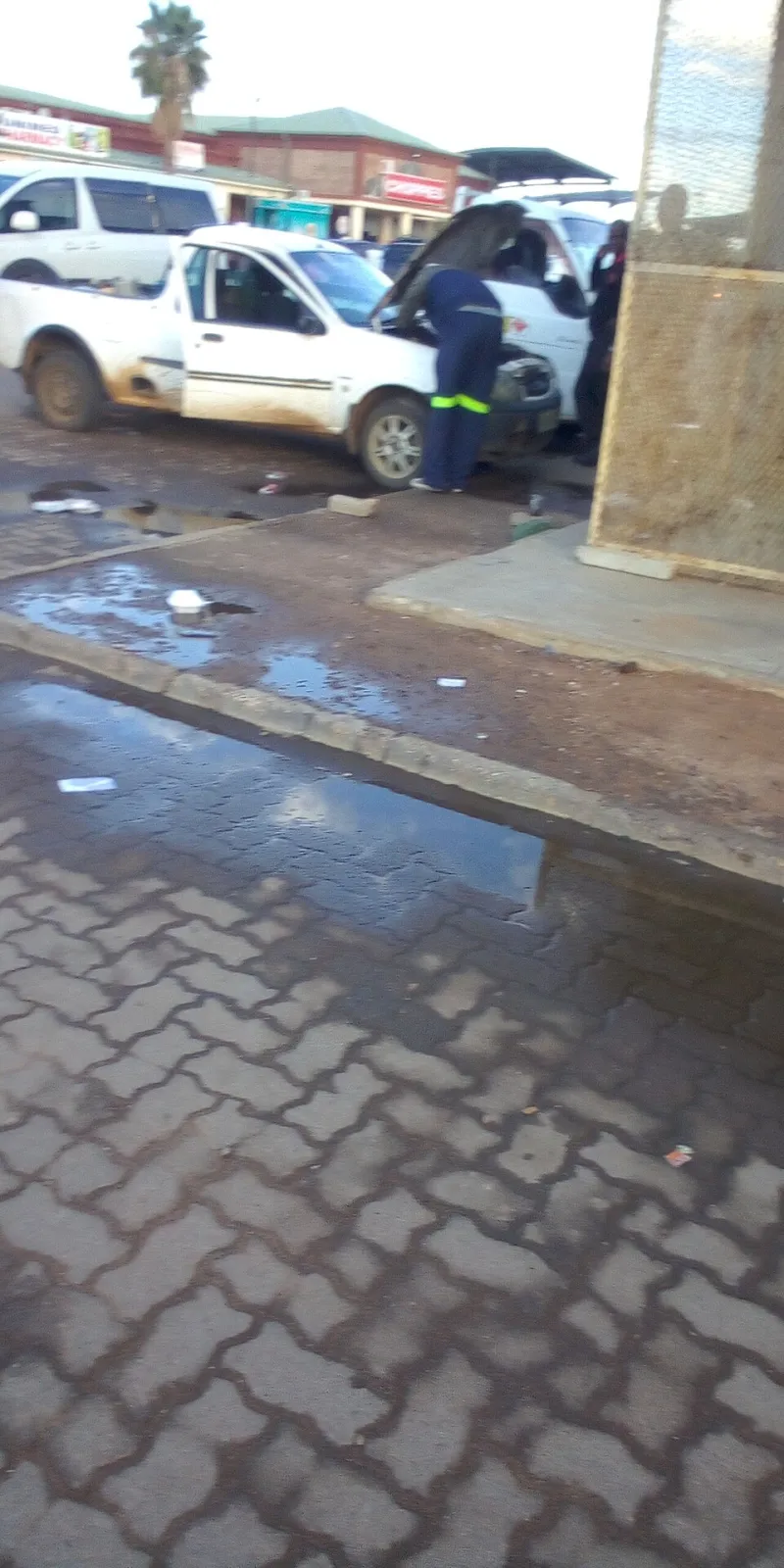
Photo: MOMPATI 2, CC BY-SA 4.0, via Wikimedia Commons
Most breakdowns do not start with a bang. They start with a tyre that has been quietly losing pressure for three weeks, a coolant level just below the minimum mark, or a battery terminal that has grown a fur coat of corrosion. By the time the dashboard lights up, the damage is often already done.
The good news is that a mechanic's basic monthly check takes about ten minutes. No ramp, no diagnostic laptop, no driveway full of specialist tools. Just a cold engine, a pressure gauge, a rag, and a habit. Here is the routine I would give to any driver who wants fewer surprises and smaller bills.
Why ten minutes a month beats heroic rescues
Modern cars are very good at hiding neglect. They will start on a cold morning, cruise at motorway speed, and put up with a lot before they complain. That tolerance is exactly why small faults become expensive ones. A weep from a coolant hose is a cheap fix; the same weep on a motorway hard shoulder can mean a warped head or a ruined engine.
An MOT is a snapshot, not a maintenance plan. It tells you whether the car met the minimum standard on the day of the test. It does not tell you that your offside front tyre is down to 24psi, your brake fluid is looking tired, or your battery is starting to sulk. A monthly check gives you a baseline. Once you know what normal looks like, changes are obvious.
Start with the walk-around
Do this before you drive, with the tyres cold. Cold pressures are the ones that matter; a tyre that has just done twenty motorway miles will read higher and give you a false sense of security.
Check the pressures against the figures on the door pillar or fuel flap, not the number moulded into the tyre sidewall. That sidewall number is a maximum, not a recommendation. Look at the tread across the whole width of each tyre, not just the outer edge. The legal minimum in the UK is 1.6mm, but for wet British roads I would rather see 3mm before winter. Look for bulges, cuts, and embedded screws. A bulge in a sidewall is not a wait-and-see item; it is a replacement.
While you are down there, check the lights. Indicators, brake lights, reverse lights, number plate light, and fog lights if fitted. A wall or a friendly helper makes this easy. Wipers are worth a glance too. Smearing blades are a safety issue in November, not a cosmetic one.
Under the bonnet: coolant, oil, and the fluids that matter
Only do this with the engine cold. A warm cooling system is pressurised and can spit scalding coolant.
Check the coolant level against the minimum and maximum marks on the expansion tank. If it is low, top up with the correct pre-mixed coolant, not neat antifreeze and not a random bottle from the shed. If it keeps dropping, stop topping up and get it pressure-tested. A coolant leak that is nursed along with weekly top-ups usually ends in a head gasket conversation nobody enjoys.
Pull the oil dipstick, wipe it, put it back, and pull it again. The level should sit between the marks. If it is low, top up with the grade specified in the handbook. Do not overfill it. Oil is cheap; bearings are not. If the oil looks milky or smells strongly of fuel, book it in.
Check the brake fluid level if the reservoir is visible and marked. Do not open the cap unless you know what you are doing; brake fluid absorbs moisture and does not like contamination. Screenwash is the easy one. Top it up with a proper winter mix so it does not freeze on a cold morning and leave you peering through a smeared windscreen.
Battery terminals and the quiet warning signs
Battery failure is one of the most common cold-weather breakdowns, and it rarely announces itself politely. Look at the terminals. White or green crusty deposits are a sign of corrosion and can stop the battery charging properly. A gentle clean with a soft brush and warm water can help, but keep it away from your skin and eyes, and do not short the terminals with a tool.
Check that the terminals are tight. If the battery is more than four or five years old and the car is cranking more slowly than it used to, get it tested before winter rather than after. A battery that fails at home is an inconvenience. One that fails in a car park at 6pm in January is a recovery bill and a ruined evening.
The costs you are avoiding
None of this is about being precious with your car. It is about avoiding predictable bills. A tyre replaced before it fails is usually a straightforward purchase; a tyre that fails at speed can add wheel damage, bodywork, and a recovery charge. A coolant hose is a modest garage job; an overheated engine can run into four figures. A battery is a normal wear item; a jump-start on a cold morning is often the start of a longer, more expensive story.
Bulbs are another one. A failed brake light is a safety defect and an easy MOT failure, but it is a cheap fix when you catch it in the driveway. The same goes for wiper blades and screenwash. These are small consumables that protect big systems.
Build the habit without building a workshop
Pick a fixed day each month: the first Saturday, the last Sunday, whatever sticks. Put a reminder in your phone. Keep a small kit in the boot or garage: a reliable pressure gauge, a few rags, disposable gloves, a funnel, screenwash, a litre of the correct oil, and a printed checklist. That is it.
If you find something you do not understand, do not guess. Photograph it, note the symptoms, and ask a garage. The ten-minute check is there to catch the obvious stuff, not to turn you into a mechanic.
The printable checklist
- Tyre pressures set to the door-pillar figures, tyres cold
- Tread depth checked across each tyre, plus sidewalls for bulges or cuts
- All lights checked, including brake lights and number plate light
- Coolant level between the marks, engine cold
- Oil level between the marks, engine cold
- Brake fluid level visible and steady
- Screenwash topped up with winter mix
- Battery terminals clean and tight
- Wipers and washer jets working properly
- Any new noises, warning lights, or fluid patches noted for the garage
Ten minutes once a month will not make your car immortal. It will, however, stop a lot of small faults from becoming the kind of breakdown that ruins a morning and empties a wallet.