The DPF Light Isn't a Motorway Emergency: What Actually Clears a Blocked Filter
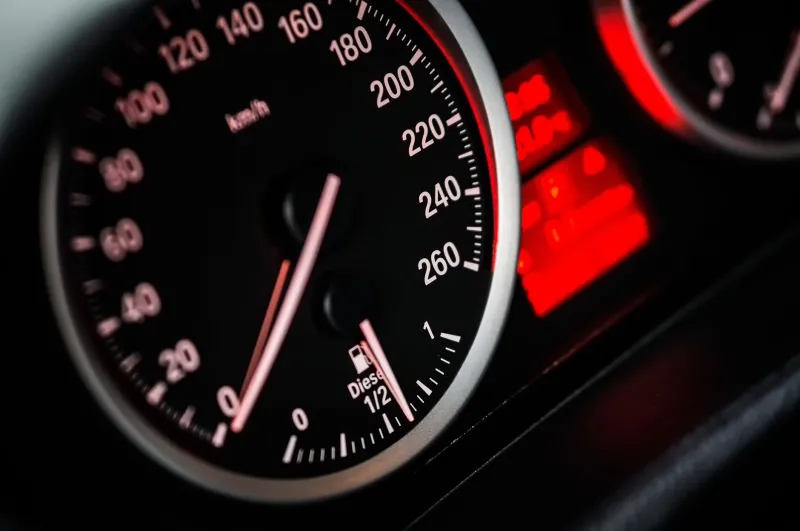
Diesel particulate filter warnings have a habit of appearing at the worst possible moment: the school run, a rainy Monday commute, or five minutes before an MOT. The internet's favourite answer is simple — take it for a fast motorway run. Sometimes that works. Often it does not, and treating every DPF light like a motorway emergency can waste fuel, mask a real fault, and leave you staring at a very expensive replacement quote.
The myth in plain English
The myth goes like this: the DPF light means the filter is clogged, a 20-minute blast at motorway speed will burn off the soot, and everything will be fine. There is a grain of truth in it. A diesel particulate filter does need heat to regenerate, and a steady run can help. But speed alone is not the magic ingredient. Heat, load, time, and the car's own regeneration strategy matter far more than how fast you are going.
A DPF is a trap for soot particles in the exhaust. Over time, that soot builds up. The car tries to burn it off by raising exhaust temperature, either passively when the exhaust is already hot or actively by injecting extra fuel. Short town journeys rarely produce enough sustained heat for either process to finish properly. That is why a car used mainly for short trips is a DPF's least favourite owner.
Why a quick blast often fails
A 20-minute motorway run can work, but only if the car is actually allowed to regenerate. Many drivers set off with a cold engine, hit traffic within minutes, stop for fuel, or arrive home just as the process begins. Regeneration is not a switch. It is a cycle that needs the engine at operating temperature, a steady exhaust temperature, and enough uninterrupted time.
Some cars also inhibit regeneration for reasons that have nothing to do with speed. A low fuel level, a faulty differential pressure sensor, a glow plug fault, or an active engine warning can all stop the process. If the DPF light is flashing or the car has dropped into limp mode, a fast run is not the answer. That is a stop-and-diagnose situation, not a reason to head for the nearest motorway slip road.
There is another issue: oil dilution. Repeated failed regenerations can put diesel into the engine oil, raising the level and reducing lubrication. If your oil level is climbing, or the oil smells strongly of fuel, stop trying to cure the DPF with a long drive and get the car checked.
What regeneration actually needs
A proper regeneration needs the engine fully warm, a sustained exhaust temperature, and a suitable driving pattern. In practice, that usually means a steady run at 50-70 mph where safe and legal, with as few stops as possible, for longer than most people expect. Twenty minutes might be enough for a mildly loaded filter on a warm engine. It is rarely enough for a heavily sooted filter on a cold morning.
Fuel level matters too. Many cars will not regenerate below a quarter tank, so filling up before a long run is sensible. Check the handbook for any model-specific procedure. Some cars want a certain speed range, some want a period in a lower gear, and some will simply refuse to regenerate while a fault code is stored.
What you should not do is sit on the driveway revving the engine. That creates heat with no airflow and no real load, and it is a good way to annoy the neighbours without helping the filter. Nor should you drive at illegal speeds or treat a DPF warning as permission to ignore traffic conditions. The aim is steady heat, not a race.
What I would try before booking a garage visit
First, read the handbook. It sounds dull, but some cars have a specific regeneration procedure and a dashboard message that explains what is needed. Second, check the fuel level and top up if it is low. Third, take the car for a proper run on a route where you can maintain a steady speed without constant stopping. Keep the engine warm and avoid switching off halfway through.
If the light clears, great. Change your habits if you can: fewer very short trips, a longer run every couple of weeks, and noidling on the drive in winter. If the light returns quickly, or comes back with an engine management light, stop repeating the same experiment. A garage can read the soot mass, differential pressure, and fault codes, then decide whether a forced regeneration is safe. A forced regeneration is not a cure for a cracked filter, a failed sensor, or a car that keeps producing excess soot.
When to stop trying and get it looked at
Treat a flashing DPF light, limp mode, heavy smoke, a strong burning smell, or a rising oil level as a warning to get proper diagnosis. A blocked filter can sometimes be cleaned, but a failed one can cost four figures on many modern diesels. Add in Eolys fluid on some PSA-group cars, sensor faults, or a cracked filter housing, and the bill can climb quickly.
The honest mechanic's view is this: a motorway run is a reasonable first attempt for a mild warning on a warm engine. It is not a universal cure. If your diesel does mostly short trips, the DPF light is telling you something about how the car is being used. Listen to it early, and you have a much better chance of avoiding the really painful bill.