Red, Amber, or Ignore? How to Read Your Dashboard Without Panicking
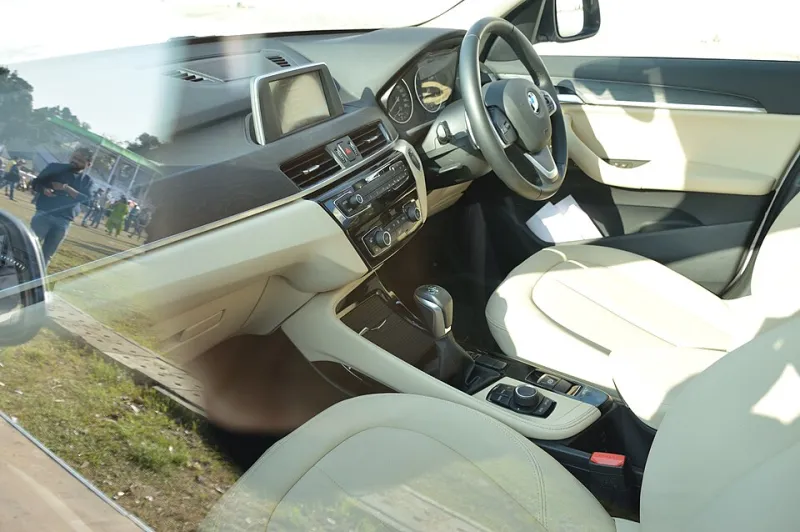
Photo: Biswarup Ganguly, CC BY 3.0, via Wikimedia Commons
Dashboard warning lights are the closest thing your car has to a voice. The trouble is that voice speaks in symbols, colours and the occasional terrifying bong. In 2026, with bigger digital clusters and more sensors than ever, drivers are seeing more warnings - not fewer. Most are harmless. A few are not. The skill is knowing which is which before you make a bad situation expensive.
Start with the colour code
Forget the exact shape for a second. Colour gives you the first clue.
Red means stop or act now. It is the car saying something is wrong with a system you need for safe control, lubrication or cooling. Amber means caution. The car has noticed a fault, but you usually have time to plan. Green or blue is just information - lights on, cruise active, that sort of thing. Flashing is often more urgent than steady, especially if it is red or the engine management light.
That is the broad rule. The real world is messier, so here is the mechanic's version.
Red lights that mean pull over
The oil pressure light - the old-fashioned oil can - is the one drivers most often ignore and most often regret. It does not always mean the oil level is low. It can mean the pump is failing, the pickup is blocked or pressure has dropped. If it comes on while driving, stop safely and switch off. Check the level once you are parked, but do not drive on hoping it will go out. A few minutes of idling with no oil pressure can turn a cheap repair into a new engine.
The coolant temperature light, usually a thermometer in red, means the engine is overheating. Pull over, let it cool, and do not open the cap while it is hot. If the level is low, top up only when safe and investigate why. A blown hose is manageable. A warped cylinder head is not.
The red brake warning light can be the handbrake, low fluid or a brake system fault. If the handbrake is definitely off and the light stays on, treat it as serious. Brakes are not a wait-and-see item.
A red battery symbol usually means the charging system has failed, not that the battery needs a hug. The car may run until the battery drains, then cut out. Head for a garage or a safe stop.
Amber lights: think, don't panic
The steady amber engine management light is the classic source of unnecessary panic. It means the engine computer has logged a fault. If the car feels normal and the light is steady, you can usually drive gently to a garage. If it is flashing, stop. A flashing engine light often means a misfire dumping unburnt fuel into the catalytic converter, and that can destroy an expensive part.
Tyre pressure warning? Check the pressures when cold. It is not always a puncture. Temperature changes, a slow leak or a sensor battery can trigger it. But do not just reset it and forget it - a soft tyre overheats and ruins fuel economy.
The DPF light on a diesel means the particulate filter is getting blocked. A decent run at motorway speed may start a regeneration, but short-town driving will not. If it stays on, get it looked at before it becomes a limp-mode job. AdBlue warnings are similar: top up with the right fluid, and do not ignore the countdown to no-start.
ABS and ESP lights often come on together after a wheel speed sensor fault. You still have normal brakes, but the anti-lock and stability systems may be offline. Drive sensibly and book it in.
The myths that cost money
One myth is that you can clear a warning light by disconnecting the battery. You might reset the light, but you will not fix the fault. You may also wipe useful freeze-frame data the garage needs. Another is that an amber light always means 'keep going'. Some amber warnings, like low oil level or brake wear, are a nudge to act soon, not a licence to ignore.
And do not assume a warning light is always a sensor. Sensors fail, but so do pumps, wiring looms and batteries. A good garage tests the system, not just the code.
On the hard shoulder and smart motorways
If a red light forces you to stop on a motorway, get left if you can and use the hard shoulder only on a conventional motorway. On a smart motorway, the hard shoulder may be a live lane. Use an emergency refuge area if one is close, or stop in a live lane only if the car cannot move. Hazards on, exit left if it is safe, and call 999 if you are in a live lane and cannot get behind the barrier. Do not stand between the car and traffic.
Limp-home mode
Limp-home mode is the car protecting itself. You will get reduced power, maybe a 30-40mph limit, and a warning on the dash. It is not a suggestion to carry on at motorway speed. Get to a garage or a safe place. Driving for miles in limp mode can turn a simple sensor fault into a bigger repair.
What to tell the garage when you ring
Be specific. Say which light, what colour, whether it is flashing or steady, and when it appears - cold start, under acceleration, after a bump. Mention any noises, smells or recent work. If you have a code reader, give the code, but do not assume the code names the guilty part. 'It says P0420' is useful; 'it says catalytic converter' is a diagnosis you have not made yet.
The bottom line
Most warning lights are the car asking for attention, not announcing the end. Red means stop and check. Flashing means stop. Steady amber usually means plan a garage visit. Green means relax. Learn the handful that really matter, keep a tyre gauge and a bit of coolant in the boot, and you will spend less time panicking and more time driving.