The Pothole Bill: Why Your Suspension Is Paying for Britain's Roads
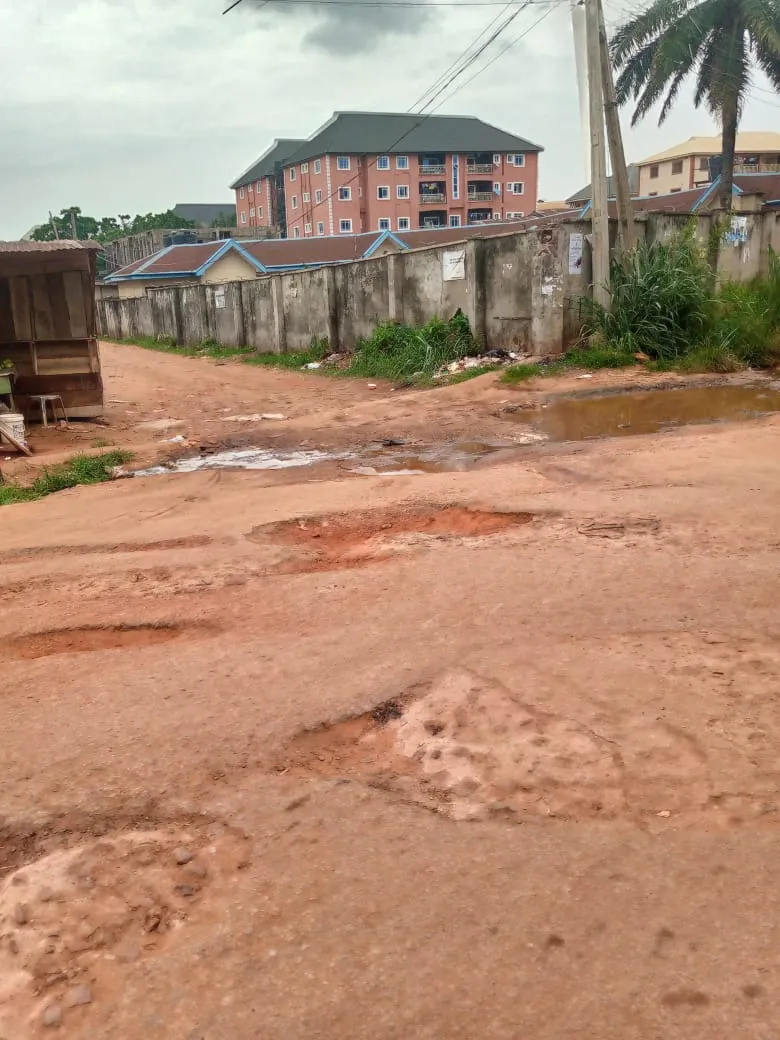
Photo: Adakaibe, CC BY-SA 4.0, via Wikimedia Commons
Potholes are not just a nuisance. They are a tax on every driver who uses Britain's roads, and it is collected through suspension parts, tyres and alloys. In 2026, after another winter of freeze-thaw cycles and stretched council budgets, the damage is showing up in workshops across the country. As a mechanic, I see the same story: a driver hits a crater they could not avoid, hears a bang, and hopes it was nothing. Three weeks later, the car is on my ramp with a broken spring or a buckled alloy.
The bill you do not see coming
A pothole impact is a sudden, violent load. Your suspension is designed to absorb bumps, but a sharp-edged hole can overwhelm it. The first casualty is often the tyre sidewall. A bulge or a cut is easy to miss until it fails. Next are the wheels. Alloys bend; steel wheels dent. A bent wheel may still hold air, but it can ruin the tyre and upset the alignment.
Then come the parts you cannot see: track rod ends, drop links, top mounts, control arm bushes and shock absorbers. A single hard hit can crack a spring or blow a shock. Sometimes the damage is immediate. Sometimes it is a fatigue failure that shows up weeks later, which makes proving a claim much harder.
What a pothole actually breaks
The most common repairs I see after pothole damage are:
- Buckled or cracked alloy wheels
- Tyre sidewall bulges and punctures
- Broken coil springs
- Leaking shock absorbers
- Bent track rod ends and steering arms
- Worn or split control arm bushes
- Damaged wheel bearings
Less common but more serious are cracked subframes, distorted hubs and damaged steering racks. Those are the ones that turn a £80 tyre into a £800 bill.
The early warning signs
You do not need a ramp to spot some of it. After a hard pothole hit, look for a bulge or cut in the tyre sidewall, a new vibration through the steering wheel, a car that pulls to one side, or a clunk over speed bumps. Check the tyre pressures - a slow leak after an impact is a red flag.
If the steering wheel is off-centre when you drive straight, the alignment has moved. If the car feels vague or wanders, get it checked. A damaged tyre or suspension part can fail suddenly, and at motorway speed that is a safety issue, not just a cost issue.
Documenting a claim against the council
If a pothole damages your car, you may be able to claim against the local highway authority. In England, Scotland and Wales, that usually means the council for local roads, and National Highways for motorways and major trunk roads. The process is not quick, and councils have a statutory defence: if they can show they had a reasonable inspection and maintenance system in place, they may not pay.
That makes evidence everything. Stop safely and photograph the pothole with something for scale - a tape measure, a foot, a wheel. Record the location, date and time. Keep dashcam footage. Save receipts for repairs and a written report from the garage. Report the pothole to the council, too; it helps their records and may protect the next driver.
When you submit a claim, be factual. Send the photos, the repair invoice, the location and a clear description of the damage. Do not exaggerate. If the council refuses, you can ask for their inspection records. Persistence matters, but so does realism: some claims are not worth the time, especially if the damage is minor.
Driving defensively on 2026's worst roads
You cannot avoid every pothole, especially on unlit rural roads or busy urban streets. But you can reduce the odds. Leave a bigger gap so you can see and react. Look further ahead than the car in front. In the wet, puddles can hide deep holes, so slow down. If you cannot avoid a pothole, brake before it, release the brake just before impact, and keep the wheel straight - hitting it at an angle loads the suspension unevenly.
Do not swerve into oncoming traffic to miss a pothole. A bent wheel is cheaper than a head-on crash. On roads you know are bad, reduce speed and stick to the smoother part of the lane where it is safe.
The knock-on costs
Pothole damage is not just the repair bill. A bent wheel can wear a tyre unevenly. Bad alignment scrubs the edges and costs you fuel. A leaking shock can make the car bounce and dull the steering response. Those small faults add up, and they can hide bigger problems from an MOT tester.
In 2026, with parts prices and labour rates where they are, a pothole hit can easily cost £200-£800 before you have touched the steering geometry. That is the pothole tax, and it is paid by drivers who did nothing wrong.
What I tell customers
Get the car checked after a heavy impact, even if it feels fine. A quick inspection on a ramp can catch a cracked spring or a bent track rod before it becomes a tyre failure. Keep your receipts. Report the pothole. And if the council says no, ask why - politely, in writing.
The bottom line
Britain's roads are not getting smoother overnight. Until they do, treat potholes as a maintenance issue and a safety issue. Slow down, look ahead, inspect after a hit, and document everything. Your suspension will thank you - and so will your wallet.