Sniff Test: Six Car Smells That Deserve More Than an Air Freshener
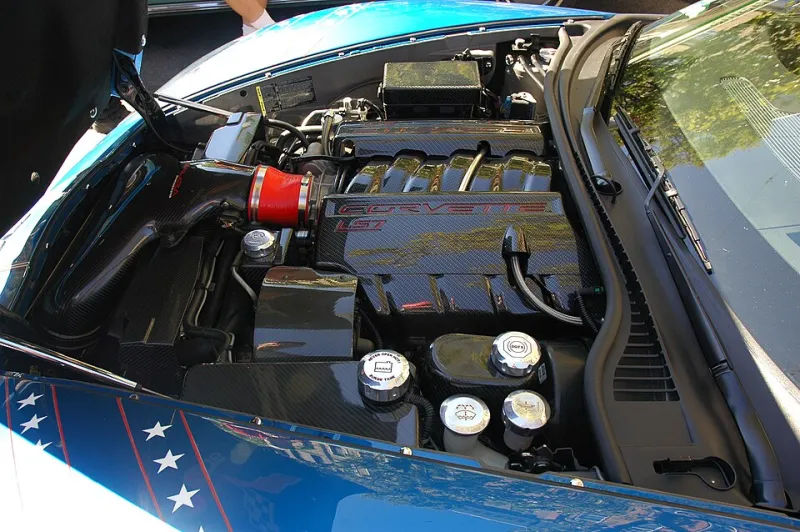
Photo: emilydickinsonridesabmx from Fort Hamilton Brooklyn, New York, USA, CC BY 2.0, via Wikimedia Commons
Cars are honest things. They may not send a polite email when something is wrong, but they often produce a smell before they produce a bill. The trouble is that most of us cover up the first warning with an air freshener and turn up the radio. A quick sniff test, taken seriously, can separate a minor annoyance from a safety issue.
Below are six smells UK drivers ask me about most often. The verdicts are deliberately blunt: stop now, book soon, or monitor. Use them as a guide, not a diagnosis. If you smell fuel, see smoke, or the car is overheating, stop safely and get professional help.
1. Sweet, syrupy smell — coolant
Verdict: stop now if the temperature gauge is climbing or you can see steam. Book soon if it is mild but persistent.
Coolant has a distinctive sweet, syrupy smell, a bit like antifreeze on a cold morning. If you catch it inside the cabin, the heater matrix may be leaking. If you smell it outside, look for a coolant leak around the radiator, hoses, water pump, or expansion tank. A small weep can become a blown head gasket if the engine overheats.
Do not just top up and forget it. Coolant is going somewhere. A pressure test is cheap compared with an engine rebuild. If the heater blows cold on one side, the windows steam up mysteriously, or the carpet under the dashboard is damp, get it checked promptly.
2. Rotten eggs — catalyst or battery trouble
Verdict: book soon. Stop now if the smell is strong, the battery is hot, or there is smoke.
A rotten-egg smell usually means sulphur, and in a car it often points to a struggling catalytic converter or a battery being overcharged. On a petrol car, a failing cat can produce that eggy whiff, especially after a short run or a misfire. On any car, a battery that is cooking is a fire risk.
If the smell appears with a battery warning light, dim headlights, or a hot battery, switch off and keep away. If it is mild and occasional, get the charging system and fault codes checked before it becomes a bigger job. Do not mask it with a pine tree.
3. Burning oil — leaks and hot metal
Verdict: monitor if mild and occasional. Book soon if it is constant or accompanied by blue smoke.
Burning oil smells acrid and slightly bitter. It often comes from a leak dripping onto a hot exhaust or from oil getting past worn engine parts. A small rocker cover gasket leak can smell terrible without losing much oil. Blue smoke from the exhaust, however, suggests the engine is burning oil internally.
Check the oil level regularly, look for drips on the driveway, and do not ignore a smell that gets worse when the engine is hot. If the oil pressure light comes on, stop immediately. That is not a monitor-later situation.
4. Raw petrol — fuel leak
Verdict: stop now.
This is the one that makes mechanics move quickly. A strong petrol smell means fuel is escaping somewhere, and fuel plus a hot engine or a spark is a dangerous combination. Do not start the car, do not smoke, and do not try to find the leak with a lighter. Keep people away and call for assistance.
A mild fuel smell can sometimes come from a loose filler cap or a spill during refuelling. If it disappears after a short drive and does not return, fine. If it returns, or you can see wet patches under the car, treat it as urgent. Modern fuel systems are sealed; a persistent petrol smell is not normal.
5. Burning rubber or plastic — electrical or clutch
Verdict: stop now if there is smoke or an electrical burning smell. Book soon if it is brief and linked to hard driving.
Burning rubber can be a slipping clutch or a belt rubbing. Burning plastic usually means wiring, insulation, or an electrical connector is overheating. The latter is a fire risk. If you smell hot plastic, switch off, disconnect the battery if it is safe to do so, and get the car recovered.
A brief rubber smell after a heavy clutch launch or a hard brake stop may be nothing more than friction material doing its job. But if the smell returns on a normal drive, or comes with warning lights, get it inspected. Electrical faults rarely fix themselves.
6. Musty, damp smell — air conditioning and cabin filter
Verdict: monitor, then book soon if it persists.
A musty smell inside the car is usually a damp cabin filter, a blocked air-conditioning drain, or mould growing in the evaporator. UK weather makes this common. It is rarely an immediate safety issue, but it can make windows mist up and leave the cabin feeling grim.
Change the cabin filter, check for damp carpets, and have the air-conditioning drain cleared if water collects. If the smell started after a windscreen leak or a soak in a car wash, find the water source before it ruins wiring or causes rust.
The takeaway
Your nose is a useful diagnostic tool, but it is not a substitute for a pressure test, a fault-code scan, or a proper look underneath. The rule is simple: fuel and electrical burning smells mean stop. Coolant and rotten-egg smells mean investigate soon. Oil and damp smells can often be monitored, but only if you actually check the levels and keep an eye on them.
And if you are tempted to reach for the air freshener first, ask what the smell is hiding. A £3 tree might make the cabin nicer. It will not fix a leaking fuel line.