Your MOT Advisory, Translated: What to Fix Now and What Can Wait
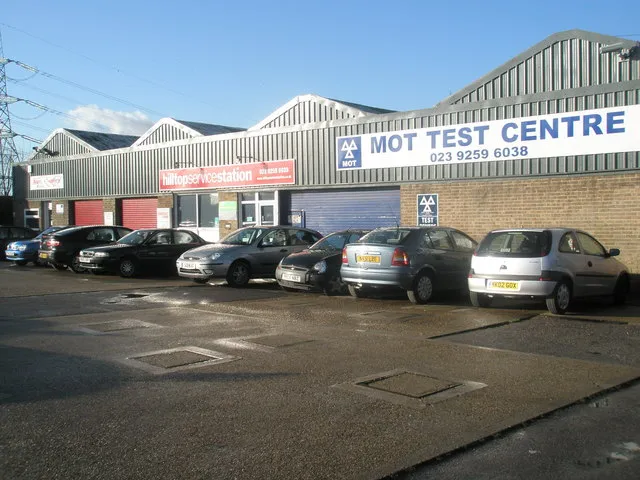
Photo: Basher Eyre, CC BY-SA 2.0, via Wikimedia Commons
You collect the car with a fresh MOT certificate and a sheet of advisories. The tester has written things like 'corroded brake pipe', 'misting shock absorber' and 'oil leak, not excessive'. None of it failed the car, so it is tempting to fold the sheet into the glovebox and forget it. That is usually a mistake, but panicking about every line is also a mistake. Advisories are notes about wear, corrosion or minor faults that the tester thinks you should monitor. Some are cheap wins if you deal with them early. Others are the first chapter of a much larger bill.
First, understand what an advisory actually is
An MOT advisory is not a legal instruction. It is a note that the item passed on the day but is deteriorating or needs attention. The MOT system also uses minor, major and dangerous defect categories, and a major or dangerous defect is a fail. Advisories sit below that line. They are the garage equivalent of a dentist saying 'that filling is starting to lift' — not an emergency today, but not something to ignore for three winters either.
The trick is to sort the sheet into three piles: safety-critical, budget-now and genuine monitor. Safety-critical means brakes, steering, suspension, tyres and structure. Budget-now means it will fail next time or cause a bigger repair if left. Monitor means keep an eye on it and check it at service time.
Corroded brake pipes: often a cheap win, occasionally a trap
Brake pipe corrosion is one of the most common advisories on older UK cars, especially around the rear axle and under the wheel arches where salt and mud collect. Surface corrosion is different from pitting or a pipe that is crusty near the union. Ask the tester to show you the pipe and explain whether it is surface rust or deep corrosion. If it is the former, a wire brush and protective coating may buy time. If it is pitted, replace the section.
For 2026, a simple brake pipe section at an independent garage typically costs £90 to £180, while a longer rear line with labour can run £200 to £350. That is usually a cheap win compared with a brake failure or a fail next year. The hidden trap is a pipe that looks cheap to replace until the unions crumble and the fuel tank has to be lowered. Ask for a quote that includes bleeding the brakes and replacing corroded fittings.
Misting shock absorbers: monitor, but start a fund
A 'misting' shock absorber is lightly damp with oil. A leaking shock is dripping. Misting can last a long time, but it rarely improves. If the car bounces more than once after a push, feels floaty on bends or shows uneven tyre wear, the shock is past its best. Replace shocks in pairs on the same axle.
Expect £250 to £450 for a pair of front shocks fitted at an independent garage in 2026, and £300 to £550 for the rear depending on the car. Add £50 to £80 for wheel alignment. The hidden money pit is the top mount or spring that is also worn and only discovered once the strut is off. Ask the garage to inspect the mounts and quote for them if needed.
Cracked or perished tyres: a cheap win if caught early
An advisory for cracked, perished or worn tyres is usually straightforward. Check the date code on the sidewall and look for cracks between the tread blocks and on the sidewall. Cracking on the sidewall is more serious than light crazing in the tread. A nail in the tread might be repairable if it is in the central area, but a sidewall puncture is not.
A replacement tyre in 2026 is typically £70 to £180 fitted for a common size, though larger SUV and performance sizes can be £200 or more. If two tyres are borderline, replacing them before winter is usually cheaper than dealing with a puncture at the roadside. Buyers also notice matching, decent-brand tyres — an advisory for cracked rubber makes a car look neglected.
Minor oil leaks: the classic monitor line
'Oil leak, not excessive' is the advisory that divides drivers. A small weep from a rocker cover gasket can stay minor for years. A leak from the rear main seal can be expensive because the gearbox has to come out. Diagnosis usually costs £60 to £120 in 2026. A rocker cover gasket is often £80 to £200 fitted; a sump gasket might be £150 to £350; a rear main seal can be £500 to £1,000 or more depending on the car.
Monitor the oil level weekly and look for drips on the driveway. If the leak smells of burning oil on the exhaust, leaves a patch overnight or the level drops noticeably, get it checked. Otherwise, clean the area, ask the garage to confirm where it is coming from and budget for it rather than rushing.
What to ask at the test station
Before you leave with the advisory sheet, ask five questions. Which items are safety-critical? Can you show me the problem on the car? What is the likely cost to put it right now? Which items are likely to become a fail by the next MOT? And can you put the answer in writing or mark it on the sheet?
A good tester will not mind. A vague answer is your cue to get a second opinion. Remember that MOT history is public, so advisories follow the car. A £150 brake pipe repair now can prevent a buyer haggling £500 off later because the sheet is full of corrosion notes.
Advisories are not a scorecard of doom. They are a maintenance to-do list written in shorthand. Decode them early and you keep the cheap jobs cheap.