The Leaf Dam Under Your Windscreen: A Ten-Minute Job Before the Rain Sets In
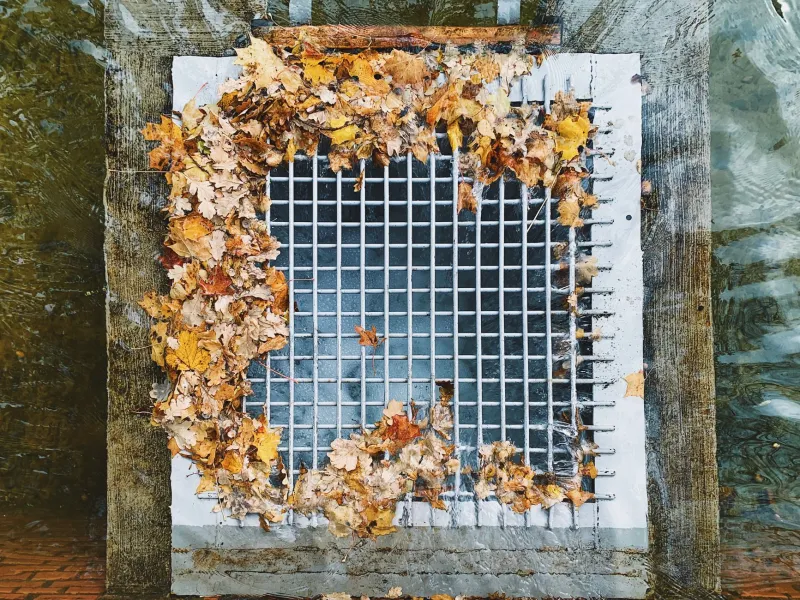
Most drivers clean the glass and forget the bit underneath. The scuttle panel — the plastic tray at the base of the windscreen, below the wipers — is designed to catch rain and send it down proper drains. In autumn it also catches leaves, moss, grit and the occasional crisp packet. Leave that lot to compost and the drains stop draining.
What the scuttle panel actually does
The scuttle panel sits between the bonnet and the windscreen. It covers the wiper motor, the cabin air intake and, on many cars, the pollen filter. Rain runs down the glass, lands in the tray and exits through drain holes at the corners, usually via rubber tubes that dump water underneath the car.
That is the theory. In practice, a British street tree can fill the tray in a fortnight. Sycamore, oak, beech, plane and lime are all generous with their leaves. Park under one and the drain holes become a leaf trap. Add grit, moss and a bit of winter grime and you have a small dam.
Why a small blockage becomes an expensive problem
A blocked scuttle drain does not usually announce itself with a warning light. Water simply rises in the tray until it finds the next easiest route. That route is often the cabin air intake.
Once water gets past the intake, the pollen filter soaks it up like a sponge. A damp filter means misted windows, a musty smell and poor air quality. Worse, the water can spill into the passenger footwell, where the carpet has a thick foam backing that holds moisture for weeks. Under that carpet and behind the dashboard there are wiring connectors, blower motors and body control modules. On some cars, water can reach ECU connectors or other electronics. The bill is rarely for the leaves themselves. It is for drying carpets, tracing electrical faults and replacing parts that were never meant to go swimming.
The warning signs worth catching early
You do not need a garage to spot most of this. After heavy rain, check the passenger footwell — especially the carpet near the door and under the dashboard. If it feels damp or smells musty, investigate. Other clues include windows that mist up constantly, water sloshing somewhere behind the dash, a pollen filter that is soggy rather than dusty, or water stains on the underside of the bonnet.
A wet footwell is not always a scuttle problem. Door seals, windscreen bonding and blocked sunroof drains can do it too. But the scuttle is the easiest thing to rule out first, and it takes minutes.
The ten-minute clear-out routine
You do not need ramps or a workshop. Park on level ground, switch off the engine and take the keys out. Put on gloves if you have them.
- Open the bonnet and look at the tray below the wipers. Remove leaves by hand from the corners and around the wiper spindles. Do not force plastic clips or trim pieces — they go brittle with age.
- Use a vacuum with a soft brush or an old toothbrush to lift grit and moss from the edges. A plastic trim tool is fine for loosening debris. A screwdriver is not.
- Find the drain holes, usually one at each end of the scuttle. Clear them gently with your fingers or a soft brush. Do not ram a wire coat hanger down the tube; you can puncture a drain hose or push debris further in.
- Pour a small amount of clean water into the tray and watch where it goes. It should disappear quickly and drip underneath the car. If it sits there, the drain is still blocked.
- If your pollen filter is easy to reach, check it. A damp or blackened filter should be replaced, but find out why it got wet rather than just fitting a new one.
- Have a quick feel of the front footwell carpets. If they are wet, dry them properly and get the leak checked. A wet carpet left alone will turn into a smell you cannot ignore.
Repeat the visual check weekly during leaf fall and the full clear-out monthly. Do it again after a storm. It is two minutes with the bonnet up and ten minutes with a vacuum.
What not to do
Do not blast a pressure washer into the scuttle panel. You can force water past seals and into the cabin. Do not seal up the drain holes to stop water getting in — the water has to go somewhere, and the cabin is worse. Do not ignore a damp pollen filter because the car still drives fine. And do not prise off wiper arms or scuttle trim unless you know how they refit; a cracked trim panel is another leak path.
When to book it in
If water drains slowly even after clearing the holes, or if you cannot reach the drain tubes, let a garage look. They can remove the wiper arms and scuttle trim, clear the tubes properly and dry the cabin. The same applies if you have wet carpets, electrical gremlins or a blower motor that sounds like it is full of leaves. By the time the first proper winter rain arrives in late 2026, a clear drain is cheap insurance.
The autumn habit
A car is quite good at hiding water damage until it is expensive. The scuttle panel is one of the few places where you can see the problem before it happens. A handful of leaves today is a wet footwell in January. Ten minutes now is a lot less bother than tracing a fault through a soggy wiring loom.