The Drawer-Key Drill: Five Minutes Now Beats a Four-Figure Lockout
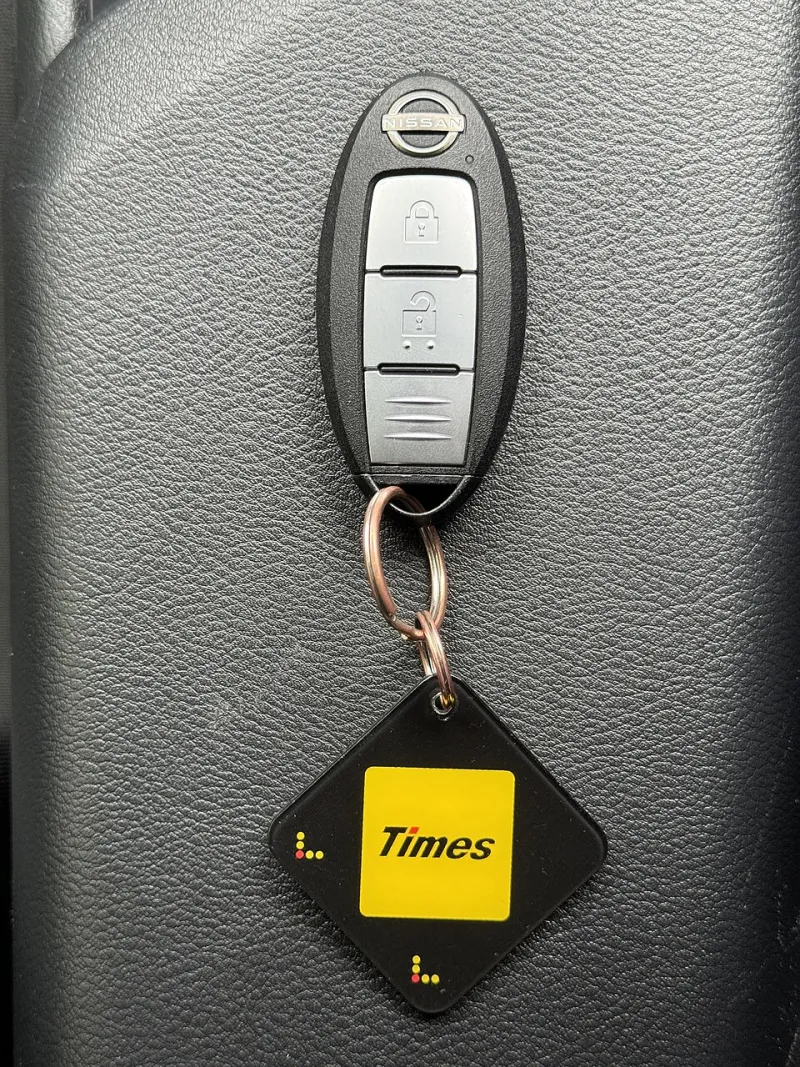
Photo: 223系新快速, CC BY 4.0, via Wikimedia Commons
Most of us treat the spare key like a tiny insurance policy. It lives in the kitchen drawer next to takeaway menus, a dead AA battery and a rubber band that once held something important. We assume it will be there when the main fob goes through the wash, gets soaked on a dog walk, or vanishes at a motorway services. Then the day arrives, we grab the spare, and discover it is not a spare at all. It is a metal souvenir.
The fix is not complicated. It is a five-minute check you can do this weekend, before winter properly settles in and before you actually need the thing. Think of it as a drawer-key drill: test the remote, test the blade, test the chip, and find out now rather than in a rain-soaked car park at 11pm.
Two jobs, one key
A modern car key is really two pieces of kit sharing a plastic shell. The remote central locking runs on a small coin cell — usually a CR2032, CR2025 or similar, depending on the car. The immobiliser transponder is a separate chip, normally passive, which the car reads through a coil around the ignition or steering column. Keyless cars add another layer: the fob needs enough battery to talk to the car as you approach or press the start button.
That split matters because a key can fail in half. The remote might be dead while the chip still starts the car. Or the buttons might work fine while the immobiliser refuses to recognise the chip. A keyless fob can also behave perfectly for months and then sulk in cold weather because the battery is on its last legs. If you have never tested the spare, you do not know which half is healthy.
There is one more trap for used-car buyers. A second-hand car may come with what looks like a spare key, but it was never properly coded to the car. It might turn in the door or slot into the ignition, yet the engine will not fire. That is not a spare. That is a prop.
Why a spare fails while it sits
Coin cells do not improve with age. They leak, they lose voltage in the cold, and they can be flattened by a button being held down in a crowded drawer. Cheap cells are worse. A fob that spent years in a coat pocket can also have water damage or corroded contacts, even if it looks clean outside. And a chip can be damaged by a drop, heat or a previous owner’s attempt at DIY repair.
Keyless fobs often go to sleep to save power, which is sensible, but it can make a weak battery harder to spot. The car may still start when you hold the fob against the backup reader, while the remote unlocking has already given up. That is why testing one function is not enough.
The five-minute drill
Do this somewhere private — not on a terraced street at 6am, and not outside a hospital. Have the main key with you, and check the handbook for the fob battery type and the keyless backup start location. On many cars it is a marked area near the steering column or centre console; on others you press the start button with the fob itself.
Start outside the car with the spare. Press lock and unlock a few times from a couple of metres away. Do not put the blade in the door lock first. If the remote does nothing, the battery is the first suspect. If it works, the remote side is alive.
Next, disarm the car with the main key. If the car is keyless, put the main fob well away from the car — inside the house or in a Faraday pouch — so the car is not detecting it. Get in with the spare, insert the blade if it has one, and try to start. For a push-button car, press the brake and hold the spare against the backup reader as the handbook describes, then press start. If the engine runs, the immobiliser chip and coding are fine. If it cranks but will not run, or the dash says key not detected, you have a chip or coding problem, not just a flat battery.
Finally, test the blade in the door lock — but only with the main fob within reach. On many cars, unlocking mechanically with the spare will trigger the alarm until you switch the ignition on. That is normal, not a sign the key is broken. Turn the blade gently. If it will not turn, the lock barrel may be seized or worn; a locksmith can deal with it without you forcing a key and making things worse.
If the spare fails
A flat remote battery is the good outcome. Buy a decent branded cell, check the polarity, and fit it carefully. Do not spray WD-40 into the fob. If the remote works but the car will not start, you are into coding territory. A dealer can order a key by VIN, but you will need proof of ownership and the process can take days. An auto locksmith can often cut and program a key at your home or workplace.
Costs vary wildly by brand and age. As a rough UK guide, a dealer replacement key is often £150 to £400, with premium brands pushing higher. A reputable auto locksmith might charge £80 to £220 to supply and program a key when you already have a working one. If you have no working key at all, expect recovery, programming and possibly lock work — commonly £300 to £800, and four figures on some premium models. That is the bill the drawer-key drill is trying to avoid.
The insurance bit
If your key is stolen, tell the police and your insurer. Some comprehensive policies cover lock replacement after a theft, but not every policy does, and excesses apply. If you simply lose a key, car insurance usually will not pick up the tab. Home contents insurance occasionally covers keys, so check the policy rather than assuming. And do not hide a stolen key from your insurer. If the car is taken later, an undisclosed missing key can turn a straightforward claim into a very awkward conversation.
If you are selling, a missing spare is a haggling point. A working second key adds value and trust. A dead one in the drawer adds neither.
Store it like it matters
Keep the spare in a cool, dry place — not a shed, not a freezer, not the glovebox where it bakes in summer. For keyless cars, a Faraday pouch at home is sensible security, but take the spare out and test it once a year. Replace the battery every couple of years, or sooner if the remote feels lazy. Set a phone reminder before winter and before any long trip.
A spare key is only spare if it works. Five minutes with both keys, a handbook and a quiet bit of kerb is cheaper than discovering the truth on the worst possible day.