The Bottle You Never Check Is Your Winter Blind Spot
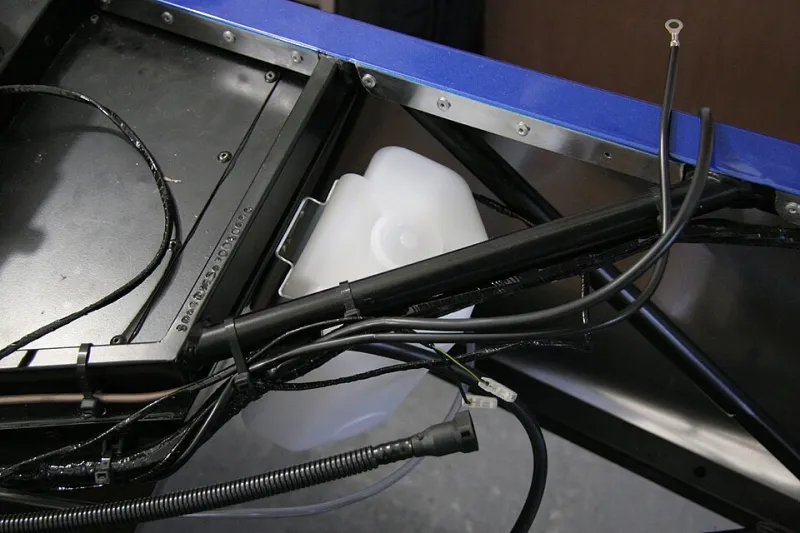
Photo: Brian Snelson from Hockley, Essex, England, CC BY 2.0, via Wikimedia Commons
By mid-November, the windscreen bottle is usually the last thing on a driver's mind. The tyres have been checked, the coolant has been glanced at, and there is a half-used bottle of blue stuff somewhere in the garage. Then a gritter passes you on the A1, the windscreen goes opaque, and you find out whether that bottle was actually ready for winter.
The free top-up that isn't free
Plain water looks like a bargain because it is already in the tap. The problem is that it does not stay liquid when you need it most. It freezes in the jets first, because they are narrow and exposed, then in the lines and the pump. Ice expands as it forms, and that can split the reservoir. On plenty of modern cars the bottle is buried behind the bumper or an inner wing, so what sounds like a cheap part becomes a labour job.
Water is also poor at shifting the oily film that grit and traffic leave on glass. A proper screenwash carries surfactants and a little alcohol to help the blade do its job instead of smearing the mess around. That is the real false economy: saving a few pounds on concentrate and spending the savings on a morning of reduced visibility.
A splash is not a mix
Most concentrate bottles give a summer ratio and a winter ratio. The winter figure is stronger for a reason: it has to keep the mix fluid when the temperature drops and still clean a dirty screen. If you keep topping up a weak mix with water, you dilute it further every time. A bottle that was marginal in October can be useless by December.
Ready-mixed winter screenwash takes the guesswork out, but check the label rather than assuming the word winter means anything. Look for the temperature rating and follow the maker's ratio. If you are using concentrate, measure it. A random glug is not a mix.
What freezes first
The jets are the usual first casualty, followed by the pump. If you pull the stalk and nothing comes out, do not keep holding it. A pump running dry or pushing against ice can blow a fuse or damage itself, and that turns a top-up job into a garage visit. The same goes for the rear washer on an estate or hatchback; it is easy to forget until you need it.
If the system is frozen, get the car into a warm garage or let it thaw naturally. Do not pour boiling water over the windscreen or the bottle. Thermal shock is a good way to turn a frozen jet into a cracked screen.
The ten-minute audit
- Open the bonnet and find the screenwash cap. It usually carries a windscreen symbol, but check the handbook if you are unsure.
- Read the bottle in your garage. Note whether it is concentrate or ready-mixed, and what winter protection it claims.
- Look at the current level. If it is mostly water, do not just add a splash of concentrate and hope. Drain or dilute according to the label, or start again with a proper winter mix.
- Test the spray with the engine running. Listen for the pump and check both front jets. If the pattern is low or one-sided, the jet may be partly blocked.
- Look under the bottle for drips or staining. A small leak now can become a cracked reservoir once the frost arrives.
- Top up to the mark, not to the brim. Leave room for expansion and keep the cap clean so grit does not get into the system.
- Keep a spare bottle of concentrate in the boot. It weighs little and saves you buying whatever is left at a motorway services at a premium.
- Clear blocked jets carefully with a pin or a compressed-air blower if you have one. Do not drill at them with a screwdriver.
When it has already gone wrong
If the pump whines but nothing sprays, suspect ice or a blocked filter. If the bottle is losing fluid, suspect a split reservoir or a perished hose. A cracked bottle is not always obvious from above, so check for a wet patch under the front bumper after the car has stood. And if the washer warning light comes on every few days, stop topping up and find out where the fluid is going. Constant top-ups usually mean a leak, not a thirsty car.
The cheap habit that pays
Screenwash is one of the few winter jobs that costs little and pays you back in visibility. A ten-minute audit before the first hard frost is cheaper than a new pump, a replacement reservoir or a morning spent peering through a smeared windscreen. The MechaniCar rule is simple: treat the washer bottle as a winter safety item, not a cosmetic extra. Give it ten minutes now, and the next gritter can do its worst.